


ORE DEPOSITS IN THE ANTI-ATLAS AND SUB-ATLAS REGIONS
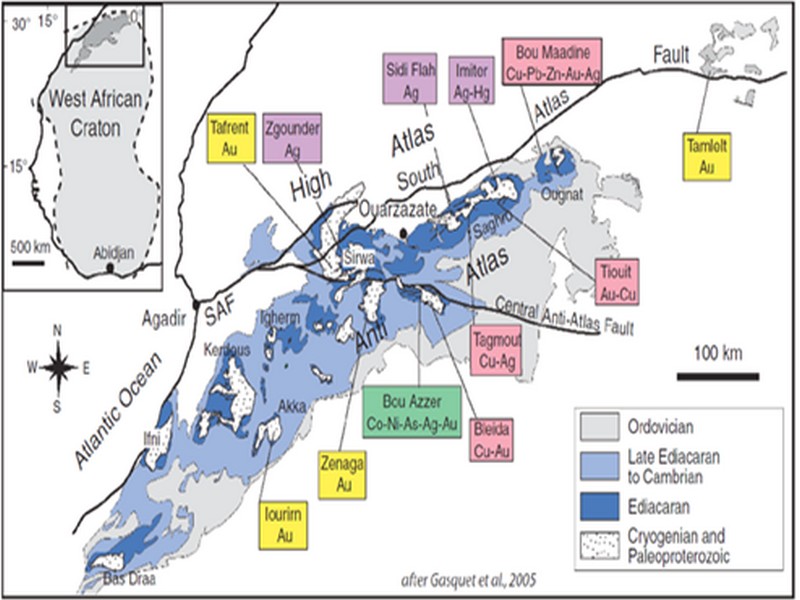
The Anti-Atlas geological province is the host of a variety of ore deposits, ranging from Paléoprotérozoïque to Ordovician in age. These deposits are mainly Cu-Au porphyry types, precious metal epithermal (Au, Ag) or polymetallic VMS base metals (Cu, Pb, Zn, Au, and Ag), while the sub- Atlas region presents an important occurrence of manganese. Figure 8 shows the location of the most important deposits in the Anti-Atlas region.
Located in eastern Anti-Atlas, the world class Imiter Ag-Hg mine (8.5 Mt at 700g/t Ag), is among the most important deposits in Morocco. It is considered to be of epithermal origin. The silver mineralisation happened during regional extension (+/- transpession?) tectonic regime event around 550 and is hosted in a series of volcanic felsic rocks Ma (Tuduri et al, 2006). Briefly, a three-stage model has been proposed to explain the deposit: a first episode characterized by the development of quartz, pink dolomite, and Ag-rich minerals veins formed during a dextral transpressive event, followed by a barren stage associated with a normal left-lateral motion that re-opened previous structures, and a final alteration stage (i.e. supergene enrichment) that contributed to local enrichment in Ag deposit (Tuduri et al, 2006).
Regarding copper, Bleida was the most important Cu deposit of northern Africa until late 90’s. Located on the northern edge of the West African Craton, the Bleida orebodies are located on an inactive continental margin along with preserved ophiolites of Upper Proterozoic age. The copper deposits (chalcopyrite, bornite, pyrite) are stratiform distal massive sulfide bodies whose position is controlled by both the sedimentation of shales and an acid volcanism, which follows a more important basic volcanism. Pan-African deformation (650-600 Ma) has determined the current geometry of the cupriferous lenses although it has not remobilized the sulfides out of their original carrier beds (Leblanc and Billaud, 2006). West of the main Moroccan Bleida copper deposit, gold mineralization has also been discovered (West Bleida, ca. 3 tonnes metal Au). It is hosted by metamorphosed and deformed mafic to intermediate volcanic rocks that are part of the Neoproterozoic tholeiitic volcano-sedimentary series forming the stratigraphically upper part of the Bou Azzer ophiolite sequence. Gold mineralization primarily occurs
as deformed gold-bearing quartz veins and disseminations in Cu-rich chert zones (chalcopyrite– malachite), Fe-rich lithofacies and breccia zones. Gold is accompanied by small amounts of copper sulphides (<1% modal chalcopyrite).
Another important occurrence (not displayed in the map, Fig. 8) is the Imini Manganese deposit, the most important Mn deposit of Morocco, located in the western margin of the Ouarzazate foreland basin (Sub-Atlas). The manganese ore is made of pyrolusite (MnO2), and is hosted in different horizons of dolomites from the lower Cretaceous, and another accessory layer. This layers thickness can reach up to 1 meter. The deposit scale is 25 km per 100-400 m width, and sits above slates and crystalline rocks. Dolomitic sandstone and/or conglomerate are present between each mineralized horizon. Isabel von Steinaecker; source: http://www.geo.tu-freiberg.de/oberseminar/os03_04/Isabel_Steinaecker.pdf).

Figure 8: The Anti-Atlas belt at the northern limit of the West African Craton. Redrawn after Dallmeyer and Lecorché (1991) and a geological sketch map of the Anti-Atlas belt in southern Morocco and location of main ore deposits. SAF: South Atlas Fault. Gasquet and al. (2005)
Source web par unige.ch
Les articles en relation
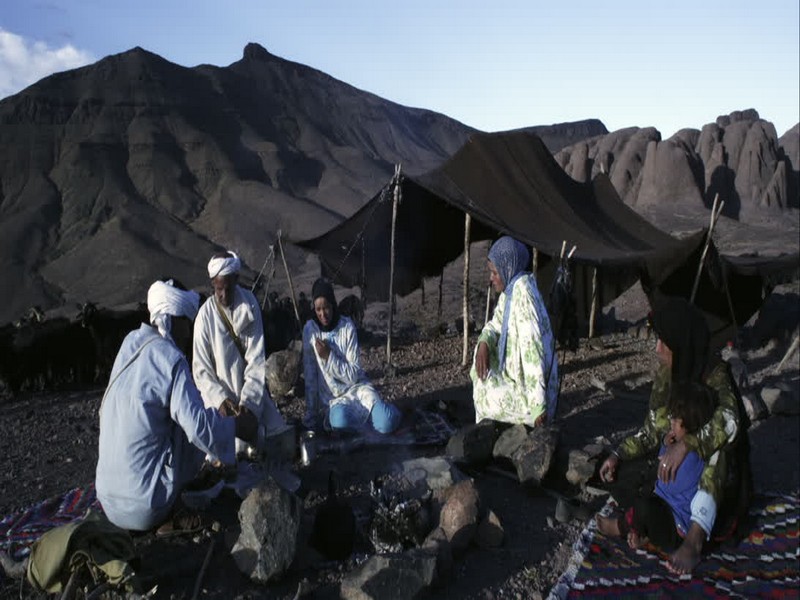
NOMADISME
NOMADISME Économie, population, société Le nomadisme pastoral constitue un genre de vie de haute productivité économique, doué d'un dynamisme démographique remarquable et d'
Savoir plus...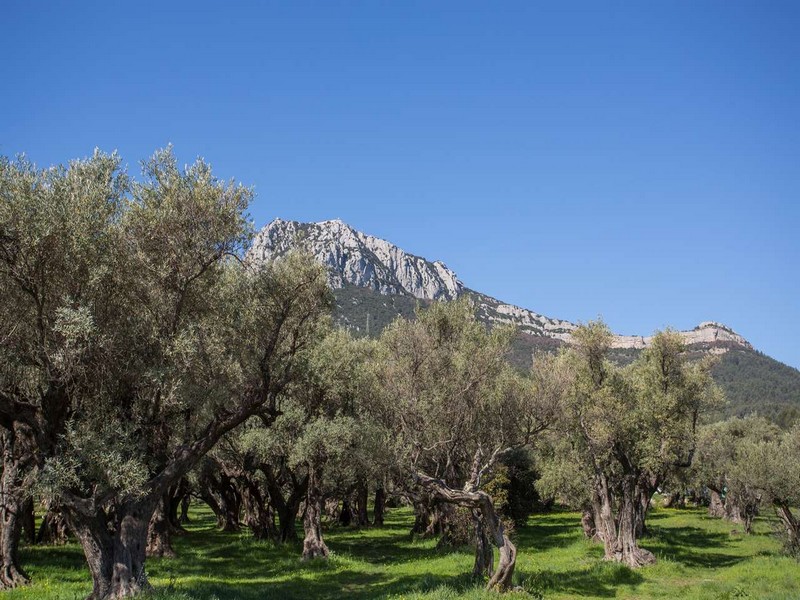
Climat méditerranéen
Climat méditerranéen Un climat se définit grâce à différentes données météorologiques. Les températures et les précipitations sont déterminantes en la
Savoir plus...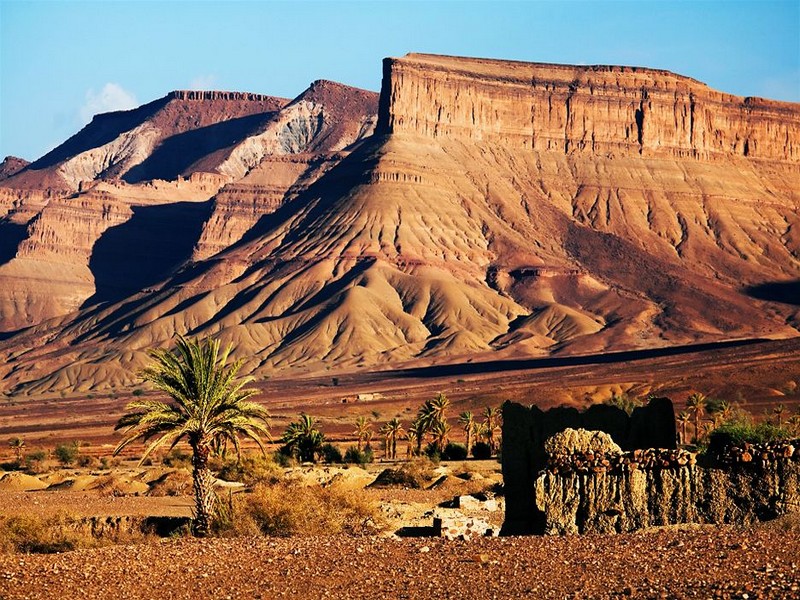
A plate tectonic evolution of the Anti-Atlas on a global scale
A plate tectonic evolution of the Anti-Atlas on a global scale DR.Hervé Rezeau, DR.Cyril Chelle-Michou & DR.Michael Calder SEG Student Chapter of Geneva (Switzerland) &n
Savoir plus...
Vache
Vache La vache est un bovin de l'espèce Bos taurus. De manière générale, les bovins ont un mufle sans poil, humide autour des narines, des cornes lisses, creuses et persistantes, des molaires à
Savoir plus...
Laboratoire de géo-patrimoine et géo-matériaux de l’Université Ibn Zohr : Les premiers secrets de la météorite martienne «Tissint» révélés
Laboratoire de géo-patrimoine et géo-matériaux de l’Université Ibn Zohr : Les premiers secrets de la météorite martienne «Tissint» révélés Enfin la m&ea
Savoir plus...
Patrimoine culturel matériel
Patrimoine culturel matériel Le Maroc a ratifié la convention du Patrimoine Mondial et a été élu membre du comité du patrimoine mondial en 1995 et membre du bureau du patrimoine mondial en 19
Savoir plus...
Qu'est-ce qu'un géoparc mondial UNESCO ?
Un géoparc mondial UNESCO est un espace territorial présentant un héritage géologique d’importance internationale. Cet héritage permet aux populations de prendre conscience et de trouver les cl&e
Savoir plus...
Les ordinateurs quantiques pourraient menacer la sécurité informatique
Les ordinateurs quantiques pourraient menacer la sécurité informatique Selon un rapport de l'Académie nationale des sciences, de l'ingénierie et de la médecine des États-Unis, il est
Savoir plus...
Tata - Anti Atlas - Couleurs de la Porte du Sud (Géoparc Jbel Bani)
Tata - Anti Atlas - Couleurs de la Porte du Sud (Géoparc Jbel Bani) Que l'on s'y rende à partir de Marrakech, Agadir, Ouarzazate, on sera toujours surpris, quelque soit la saison, de la diversité des coul
Savoir plus...
Ortie, pissenlit : les bienfaits des mauvaises herbes
Ortie, pissenlit : les bienfaits des mauvaises herbes Elles encombrent votre jardin, poussent dans la pelouse, entre les dalles de la terrasse ou contre les murs : ne jetez pas toutes les mauvaises herbes, certaines comme l
Savoir plus...
Les vraies couleurs du dinosaure Sinosauropteryx
Les vraies couleurs du dinosaure Sinosauropteryx Des paléontologues de l'université de Bristol confirment leur déduction d'il y a sept ans : les couleurs de Sinosauropteryx, le premier dinosaure à
Savoir plus...Les tags en relation
En savoir plus sur " Géologie et TSGJB - AMDGJB ! "
Consulter les vidéos de " Géologie et TSGJB - AMDGJB ! " Consulter les photos de " Géologie et TSGJB - AMDGJB ! " Consulter les publications de " Géologie et TSGJB - AMDGJB ! " Consulter les éditions de " Géologie et TSGJB - AMDGJB ! " Consulter les communications de " Géologie et TSGJB - AMDGJB ! "Recherche du site
Recherche avancée / SpécifiqueVulgarisation à la géologie
Qu'est ce que les sciences de la terre: vulgarisation Qu'est ce que la géologie ? Géologie et TSGJB - AMDGJB !
Géoparc et Recherche Scientifique
Le coins de l’étudiant
Blog Géoparc Jbel Bani
Dictionnaire scientifique
Plus de 123.000 mots scientifiques
Les publications
Géo parc Jbel Bani

Circuits & excursions touristiques
cartothéques
Photothéques
Publications & éditions